Agriculture remains the backbone of rural livelihoods across Africa, yet millions of smallholder farmers continue to face low productivity, food insecurity, and the harsh realities of climate change. In the face of these challenges, innovation has become the driving force for sustainable agricultural transformation and the achievement of key global goals such as Zero Hunger (SDG 2), Industry, Innovation and Infrastructure (SDG 9), and Climate Action (SDG 13).
Innovation as the Engine of Transformation
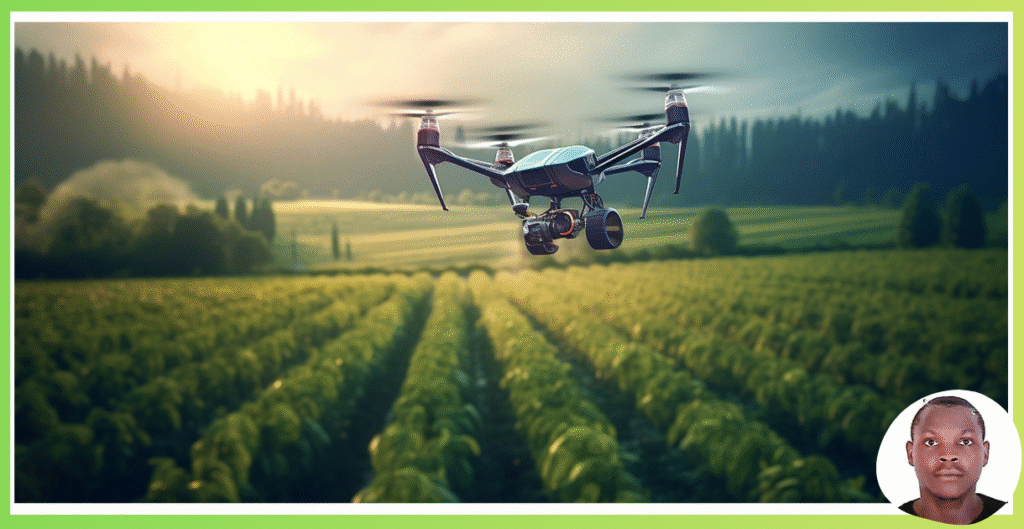
In many rural communities, farmers are embracing innovative technologies – from climate-smart practices to improved seed varieties, precision agriculture tools, and mobile-based advisory services – that enhance both productivity and sustainability. These innovations not only increase yields but also reduce the vulnerability of smallholders to erratic rainfall, soil degradation, and pest infestations. Innovation in agriculture is not limited to technology alone. It also involves human capacity development, knowledge exchange, and inclusive partnerships. Agricultural extension and advisory systems serve as vital links between researchers and farmers, ensuring that innovations reach those who need them most. When farmers are empowered with information, skills, and access to resources, they make better decisions that improve yields and protect natural ecosystems.
Building Infrastructure for Inclusive Growth
Access to innovation is only meaningful when supported by strong rural infrastructure. Investments in roads, storage facilities, irrigation systems, and digital connectivity can bridge the gap between production and markets. Improved infrastructure enhances farmers’ access to credit, market information, and technology, creating new opportunities for employment and entrepreneurship in the agricultural sector. Governments, private organizations, and development partners must collaborate to build an enabling environment where innovation thrives. Public-private partnerships can accelerate the diffusion of technologies and ensure that marginalized rural communities are not left behind.
Adapting to Climate Change
Climate change remains one of the most pressing threats to food security in Africa. Rising temperatures, prolonged droughts, and unpredictable rainfall patterns threaten crop yields and rural livelihoods. Climate-smart agriculture offers a pathway to resilience – integrating adaptation, mitigation, and productivity goals. By promoting practices such as agroforestry, conservation agriculture, and efficient water management, farmers can maintain soil health, reduce greenhouse gas emissions, and increase productivity sustainably. Strengthening farmers’ adaptive capacity through training and access to early warning systems is equally essential.
Agricultural innovation is not an option – it is a necessity. The future of Africa’s food systems depends on our collective ability to innovate, adapt, and empower. By integrating sustainable technologies, strengthening rural institutions, and promoting inclusive policies, we can transform agriculture into a resilient and profitable enterprise – one that feeds nations, creates jobs, and safeguards the environment.