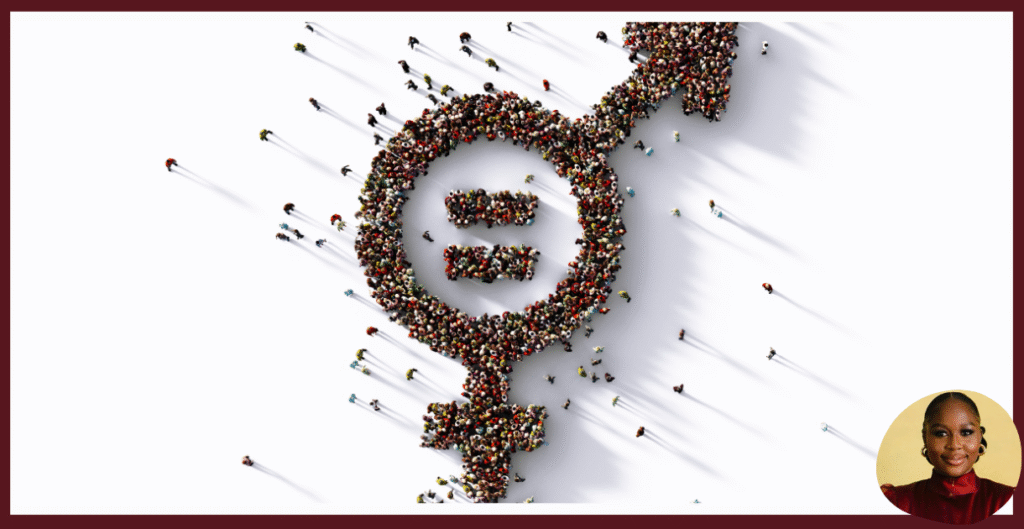
The conversation around gender equality often peaks during global awareness campaigns and fades once hashtags stop trending. But real change doesn’t live on social media it happens when policies, systems, and mindsets evolve. The United Nations Sustainable Development Goal 5 (SDG 5) reminds us that gender equality is not a one-day event; it’s an ongoing mission to ensure that every woman and girl, regardless of where she’s born, can live, learn, and lead without bias or limitation.
Understanding the Bigger Picture
As the Ford Foundation (2020) noted, gender inequity is deeply woven into many global crises it’s not a single issue but a web of interlinked challenges. The data tells a sobering story:
- Violence and Insecurity: According to UN Women (2024), one in three women worldwide still experiences physical or sexual violence in her lifetime.
- Political Underrepresentation: Women currently occupy just about one in four parliamentary seats globally, showing a persistent gap in leadership and decision-making.
- Economic Disparity: The global gender pay gap remains around 20%, with women earning less than men for comparable work (International Labour Organization, 2023).
- Lost Childhood: UNICEF reports that millions of girls are forced into early marriages each year, cutting short their education and future opportunities.
These are not isolated statistics they form a pattern of systemic inequality that continues to shape women’s lives daily.
Addressing the Root Causes
SDG 5 pushes beyond surface-level solutions to tackle the structural barriers that perpetuate inequality. One of its boldest targets, Target 5.4, calls for recognizing and valuing unpaid care and domestic work a form of labor overwhelmingly carried by women. Unpaid work childcare, cooking, cleaning, and managing households keeps economies running but often goes unrecognized and uncompensated. As a result, many women are forced to choose between unpaid responsibilities and career growth. According to UN Women, women globally perform over 75% of unpaid care work.
From my perspective as a data analyst and advocate for sustainable systems, I see this imbalance reflected in the workforce data: when nations fail to invest in childcare, flexible work policies, and family-friendly infrastructure, women’s participation in formal employment drops sharply. Recognizing and redistributing unpaid care work is therefore not just a moral issue it’s an economic necessity.
Empowerment Through Autonomy
Another cornerstone of SDG 5 is ensuring women’s access to sexual and reproductive health and rights (SRHR). When women can make informed decisions about their bodies and reproductive lives, they gain the freedom to complete their education, build careers, and contribute meaningfully to society.
Countries that invest in SRHR consistently show higher levels of female education, labor participation, and overall economic growth (World Bank, 2022). This is proof that equality starts with bodily autonomy and informed choice.
From Words to Action
Moving from awareness to implementation requires deliberate, measurable steps. Here’s what progress looks like in practice:
- Corporate Accountability: Businesses conducting gender pay audits and acting on disparities.
- Shifting Norms: Fathers taking paternity leave and normalizing shared caregiving roles.
- Legal Enforcement: Governments passing and enforcing laws that protect women from violence, trafficking, and workplace discrimination.
- Cultural Change: Communities encouraging girls to explore STEM and leadership fields without bias.
As someone who values the power of data, I believe measurable change starts with transparency. Organizations, governments, and individuals must collect, share, and act on gender-disaggregated data to close these gaps effectively.
My Reflection: Beyond 2030
While global progress has been made, the journey to SDG 5’s 2030 target remains steep. Structural resistance, cultural norms, and policy inertia continue to slow advancement. Yet, equality isn’t just a development goal it’s the foundation of every thriving society. To me, gender equality means creating a world where opportunities are defined by skill and ambition, not stereotypes or outdated traditions. Every woman’s empowerment fuels collective progress because when women rise, communities, economies, and nations rise too.